Specialized knowledge
Complex, sensitive, or organization-specific questions can be directed to teams with the appropriate specialized knowledge and short lines of communication.
The work depends on the expertise required.The question isn't which location does everything. The question is where each customer interaction is best handled, while ensuring that customers experience the same quality and brand experience everywhere.
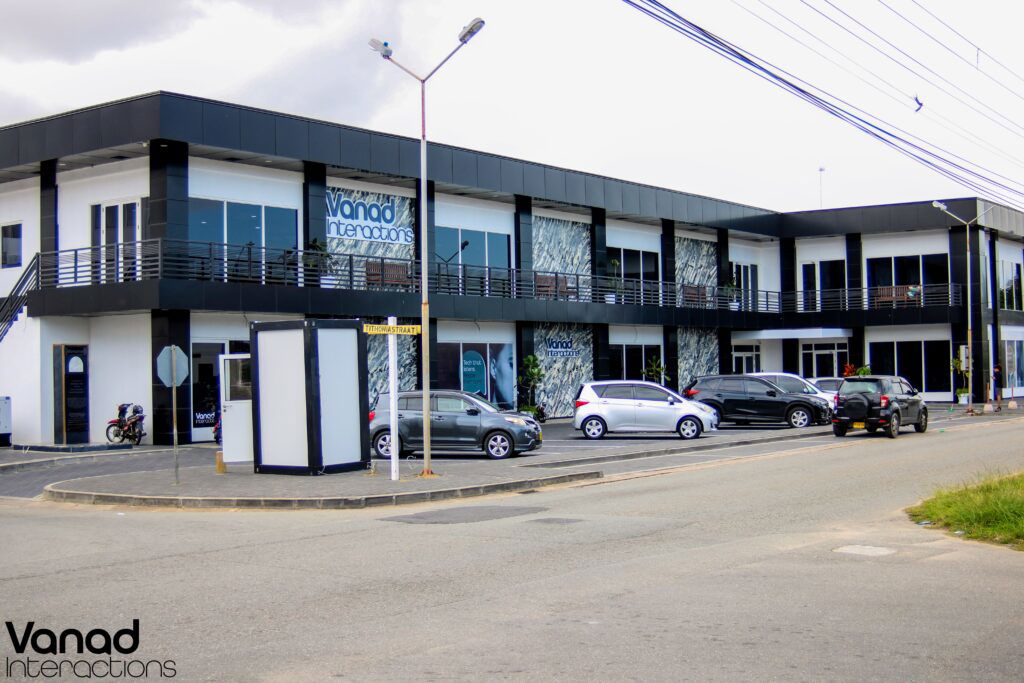
A hybrid customer contact model combines teams in the Netherlands and Suriname within a single operating model. Work is allocated based on factors such as complexity, volume, risk, required proximity, business hours, and available expertise.
The model works only if both locations use the same knowledge, systems, quality definitions, and governance. The customer should not be able to tell from which location a request is being handled.
A hybrid model is not a compromise between two locations. It is a deliberate division of work that optimizes quality, capacity, and costs simultaneously.
Complex, sensitive, or organization-specific questions can be directed to teams with the appropriate specialized knowledge and short lines of communication.
The work depends on the expertise required.Volume, growth, and seasonal peaks can be spread across more available capacity without having to build a completely new team each time.
Capacity adapts to customer demand.Multiple locations provide additional capacity for overflow, greater accessibility, and a more robust distribution of operational risks.
One location doesn't have to bear all the pressure on its own.Allocate each activity to the location where quality, speed, availability, and cost are best balanced.
Compare value per contact stream, not just rates.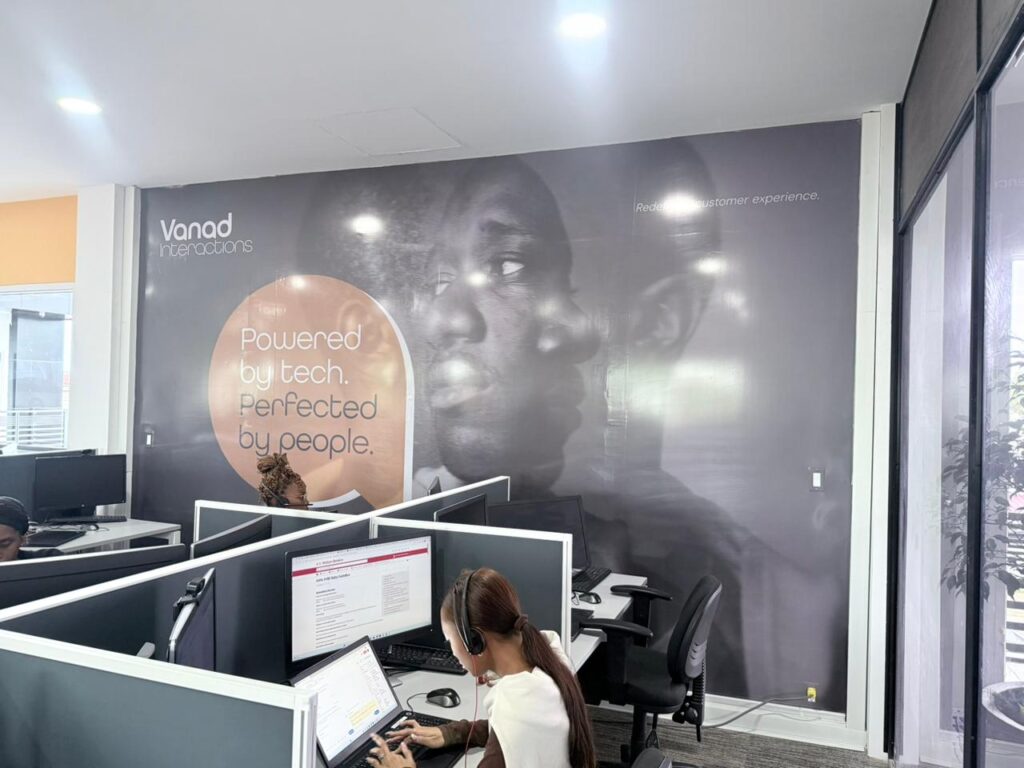
The exact division of responsibilities varies by organization. The roles listed below provide a logical starting point, after which the reasons for contact and the processes are assessed individually.
This is often appropriate for new or complex processes, specialized subject matter, sensitive escalations, and tasks where direct coordination with internal teams is important.
Consider specialized questions, exceptions, escalations, and process development.This often applies to mature, well-defined processes with predictable or growing volumes, a need for flexible capacity, and greater accessibility.
Consider service inquiries, overflow, peak capacity, and scalable contact volumes.CRM, knowledge base, quality monitoring, workforce management, training, reporting, security, and governance form a single, integrated system. Only then can the customer experience and management remain consistent.
A second location does not solve the problems of unclear processes or fragmented knowledge. The model adds value when you can consciously distribute work while continuing to manage it centrally.
There are clear differences in complexity, volume, risk, or operating hours. Processes are sufficiently mature, systems can be shared, and the organization wants to manage them as a single, unified operation.
When dealing with small volumes, highly interdependent specialized work, or immature processes, adding an additional location can actually increase complexity. In such cases, start by getting your knowledge, systems, KPIs, and governance in order.
Check the boxes for items that have already been arranged or are demonstrably feasible. The result is an initial guide for the meeting, not a final recommendation on a location. The data is not stored anywhere.
Check the boxes next to the items that are already in order.
The allocation of locations is only the second step. First, customer goals, workflows, quality frameworks, and central management are designed.
Analyze volumes, reasons for contact, channels, complexity, risks, business hours, and performance.
Determine, for each process, what expertise, proximity, capacity, and quality assurance are required.
Make systems, knowledge, KPIs, WFM, security, reporting, and governance location-independent.
Train and calibrate together. Start with well-defined contact flows and clear go-live criteria.
Increase volumes only once quality, customer feedback, productivity, and collaboration are demonstrably stable.
The office in Suriname is part of the same VANAD organization. Teams work locally but share the same working methods, quality standards, and central management.
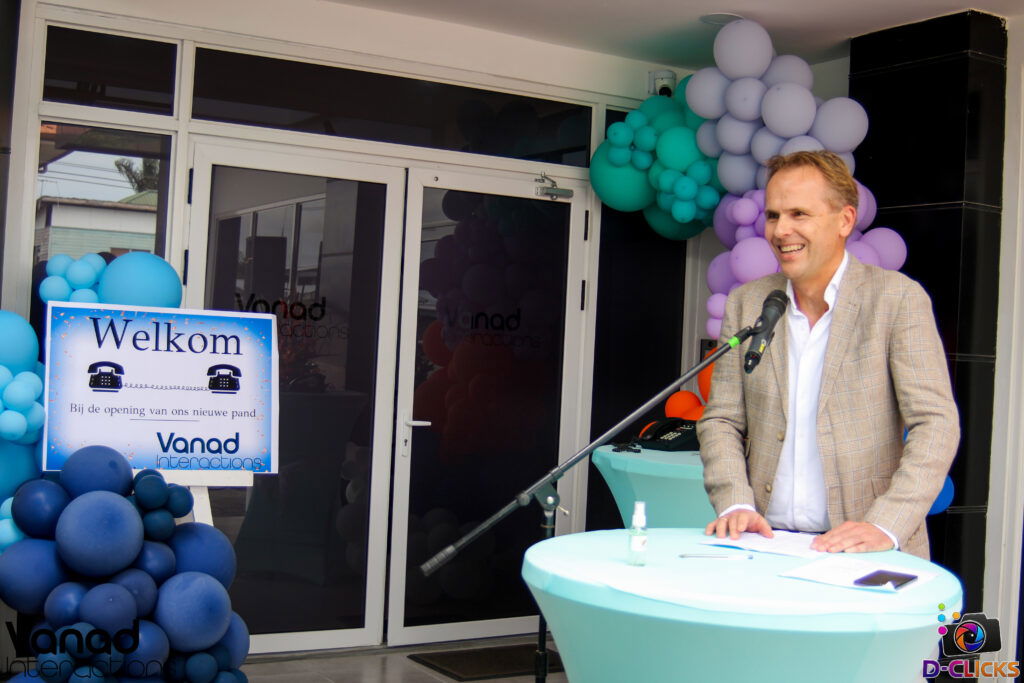
A hybrid model works when both locations are fully equipped and are not managed as separate suppliers. The customer promise, expertise, and quality remain shared.
Organizations entrust their customer interactions and customer experience to VANAD Interactions.


The most important questions about combining customer contact in the Netherlands and Suriname.
During an initial meeting, we’ll assess contact flows, volumes, complexity, operating hours, and quality goals. You’ll receive a clear initial roadmap for task allocation, capacity, and governance.
